Unlocking the Value of Your Data in Your Business
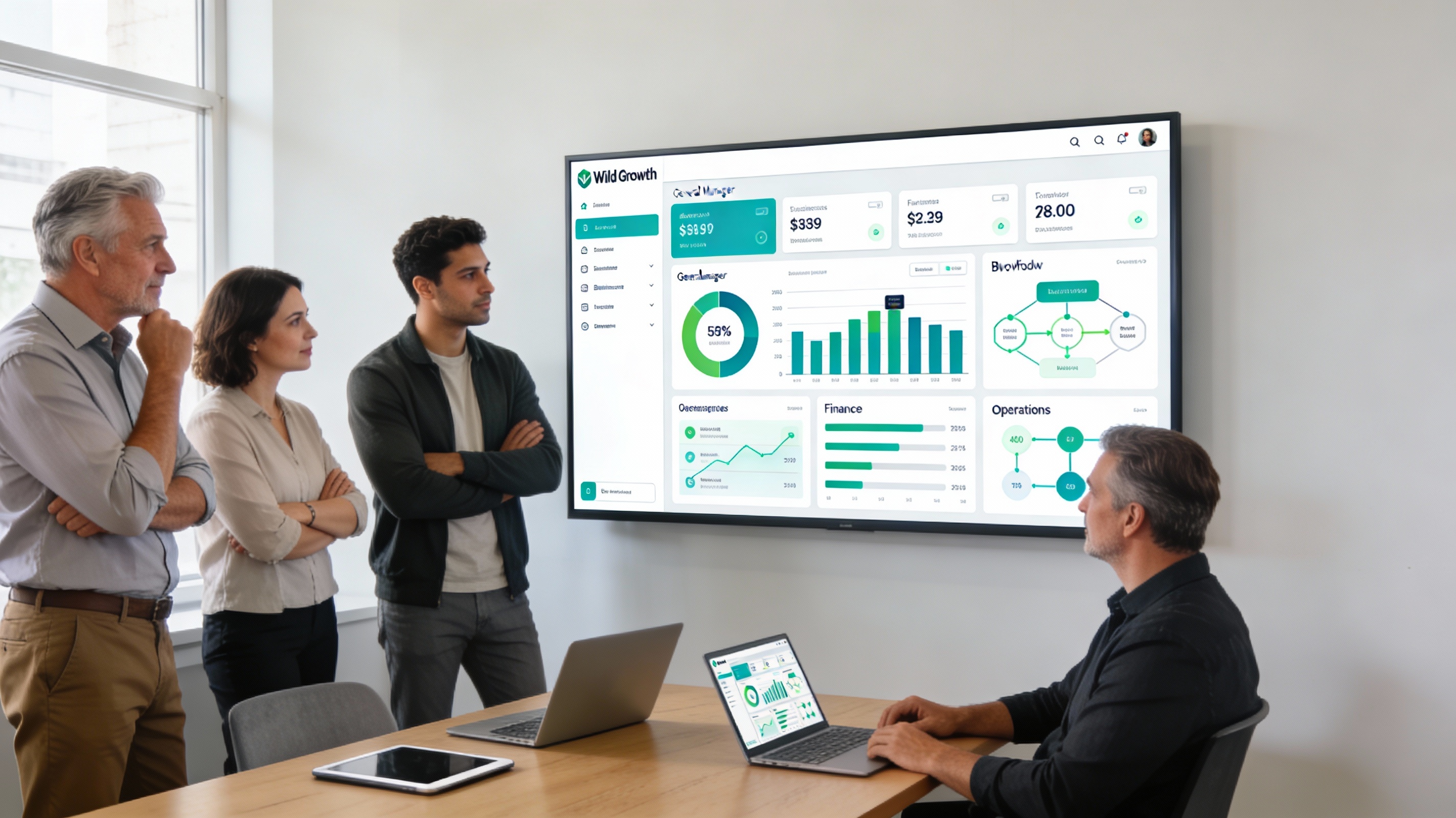
In most businesses, 'data movement' is a lot bigger than shuffling rows from System A to System B. It's the whole ecosystem of how data is shared, integrated, combined, and surfaced for better decisions.
Unlocking the Value of Your Data in Your Business
In most businesses, "data movement" is a lot bigger than shuffling rows from System A to System B. It's the whole ecosystem of how data is shared, integrated, combined, and surfaced so people can actually make better decisions with it.
Ever watched a "game-changing" AI or automation project quietly die because the business and tech sides were speaking different languages? That misalignment is still where most of the value gets lost.
The real bottleneck
In 2026, the impact is rarely about the model or the tool. It's about whether you can translate business pain into technical requirements that actually fix it. When that translation fails, budgets get burned on demos, not outcomes.
Where the real value hides
In most AI/automation work, the ROI isn't in the hype, it's in how you handle data end-to-end — how it moves, how it's shared, and how it shows up for the people who need it. That usually looks like:
-
Pinpointing the quiet bottlenecks that steal 10+ hours a week across your team.
-
Automating the boring data movement between systems so information flows from CRMs, ERPs, support tools, and spreadsheets into the places people actually work — without copy-paste gymnastics.
-
Making data shareable across teams, not trapped in silos, so sales, ops, finance, and leadership are finally looking at the same numbers.
-
Integrating and joining data from multiple sources in warehouses and lakes so dashboards aren't just pretty charts, but a reliable single source of truth.
-
Designing dashboards that answer specific business questions instead of dumping metrics no one uses, and embedding those insights back into the daily workflow.
-
Building tools people use without reminders, because the data and workflows are where they expect them — not hidden in yet another portal.
Going beyond dashboards
Dashboards alone rarely change behaviour; decision systems do. The goal is to deliver the right insight to the right person at the right moment, embedded in their existing tools and workflows.
- Design dashboards around specific questions and actions, not just "nice to know" metrics.
- Embed insights into operational systems: recommended next actions in CRM, alerts in service tools, or pricing suggestions in commerce platforms.
- Use analytics and AI to move from backward-looking reports to forward-looking recommendations and automation, always grounded in reliable data.
Turning data into a true business asset
When treated systematically, data becomes something your business can rely on, invest in, and even monetise. That means combining strong foundations (quality, integration, governance) with clear use cases tied to revenue, cost, or risk outcomes.
Flashy vs. useful
Flashy tech is easy to sell in a slide deck. Useful tech is the stuff your team instinctively opens on a Tuesday morning because it gives them the right data, in the right place, at the right time, and makes their job easier, not harder.
A question for you: What's the most underwhelming piece of software your business bought last year?